
Teach me how to use FFS
Below is a clear, bass-fishing–specific guide to using Forward-Facing Sonar (FFS). This is education-focused—no buying links or recommendations—so you can learn the skill before worrying about gear.
What Forward-Facing Sonar (FFS) Is — and Isn’t
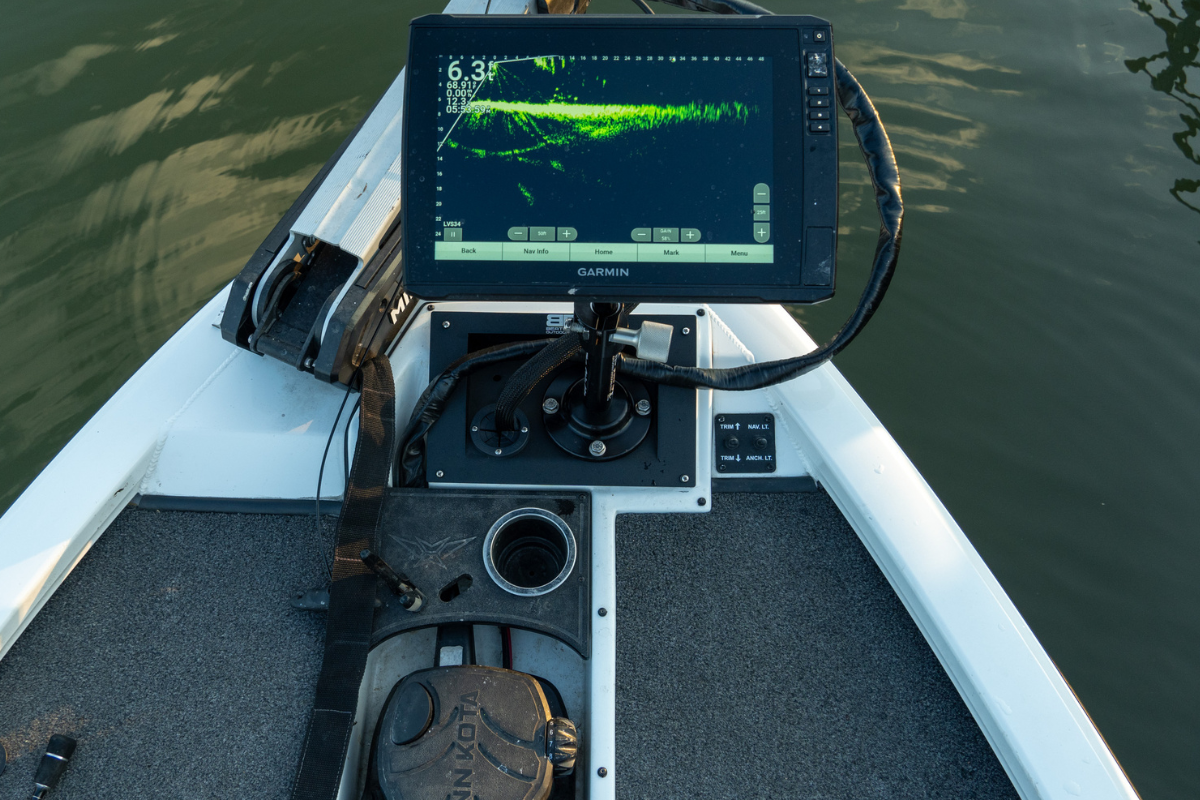
FFS shows real-time sonar ahead of your boat, letting you see:
- Fish movement
- Your lure falling
- How bass react (or don’t)
It does NOT automatically catch fish. Success comes from boat control, interpretation, and presentation.
Popular FFS systems include:
- Garmin LiveScope
- Lowrance ActiveTarget
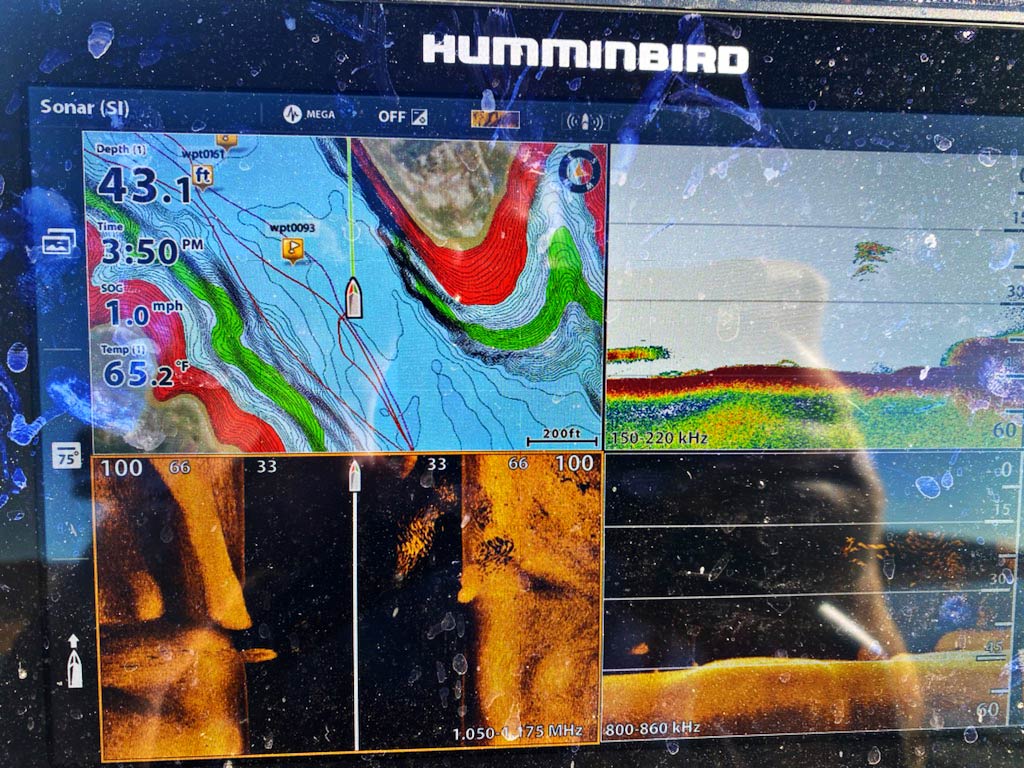
- Humminbird MEGA Live
How the Screen Works (Critical Mental Model)
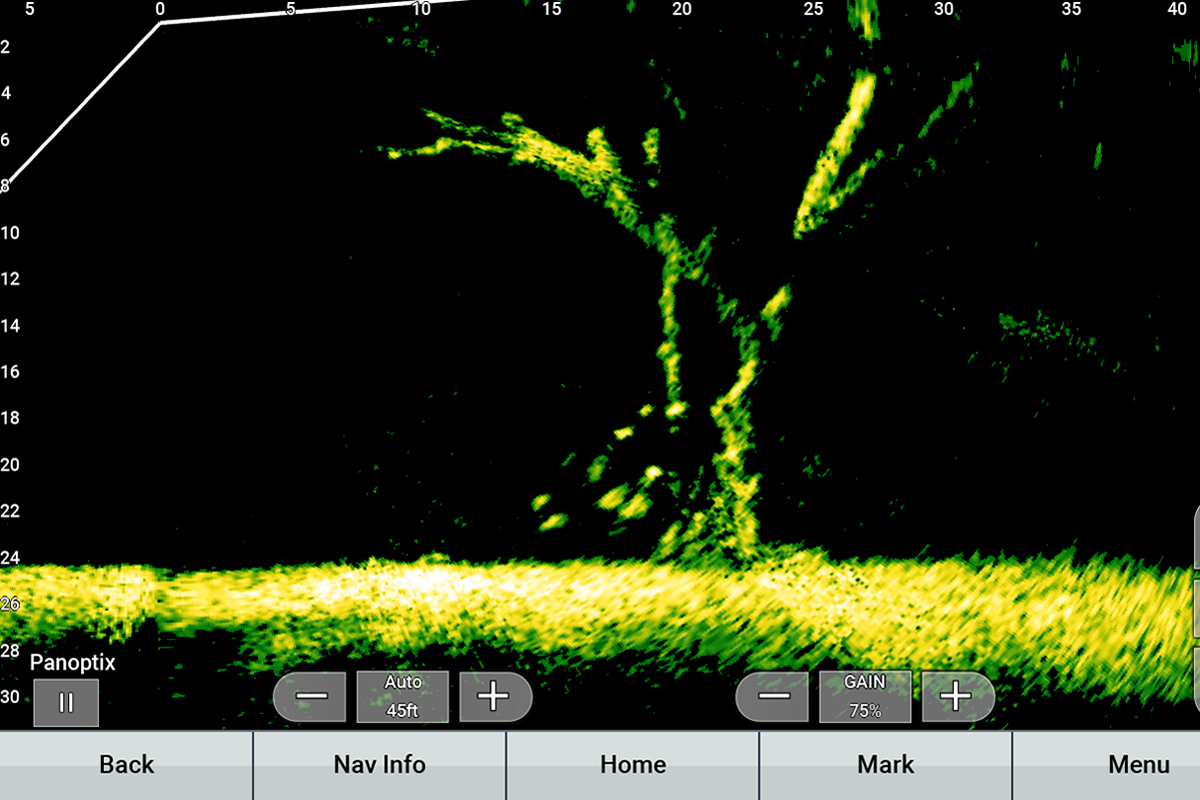
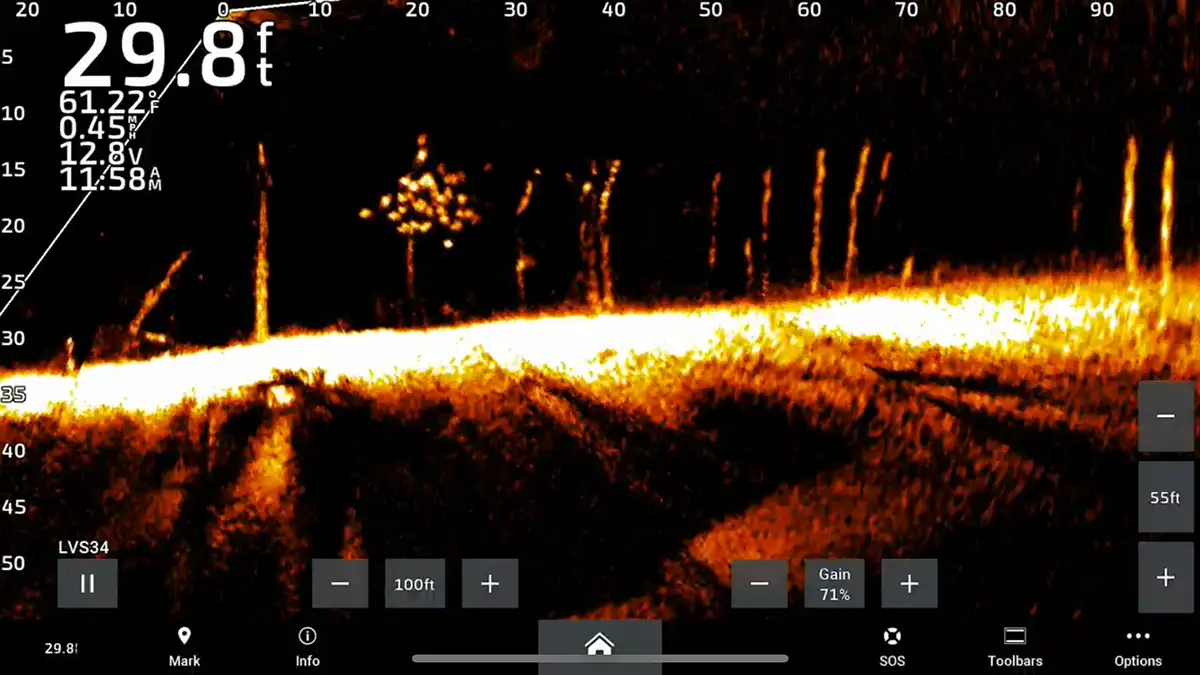
Think of FFS like a flashlight beam underwater:
- Center of screen = straight ahead
- Right side = farthest distance
- Left side = boat
- Up/down = depth
What you’re watching:
- Bright blobs = fish
- Streaks = moving fish
- Falling line = your lure
Step 1: Set Your Transducer Correctly (Most Mistakes Start Here)
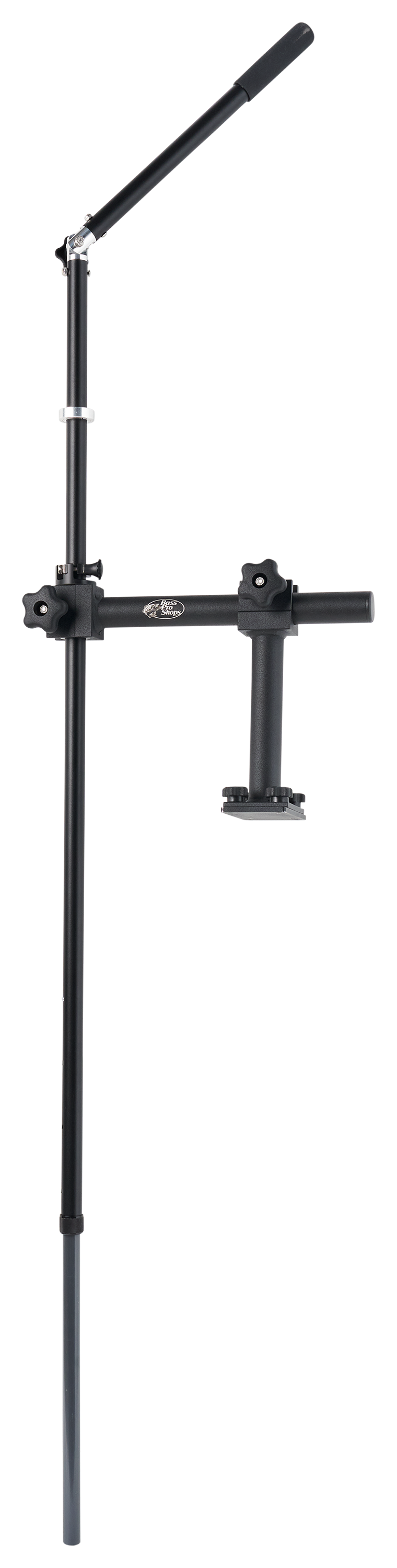
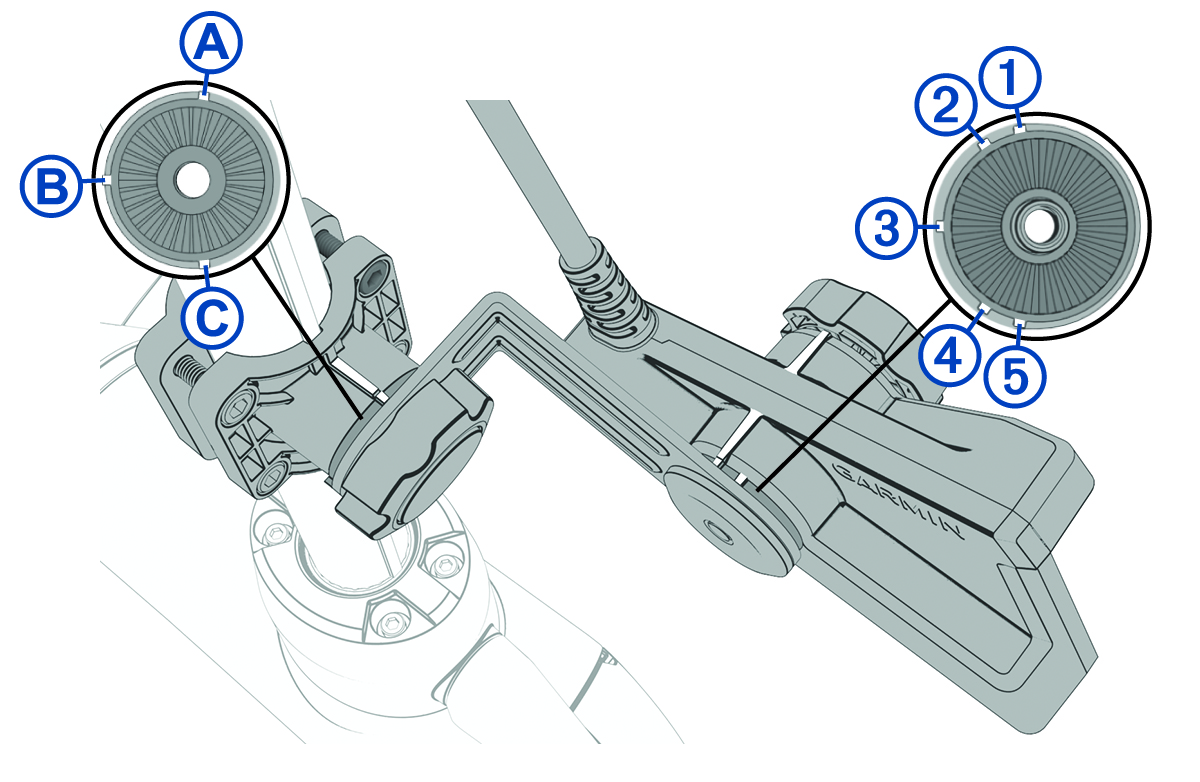

Proper alignment checklist
- Transducer perfectly level (use a bubble level)
- Forward direction matches trolling motor
- Secure mount (no wobble)
Common error: tilted transducer = fish appear higher/lower than reality.
Step 2: Dial In Core Settings (Use This Baseline)
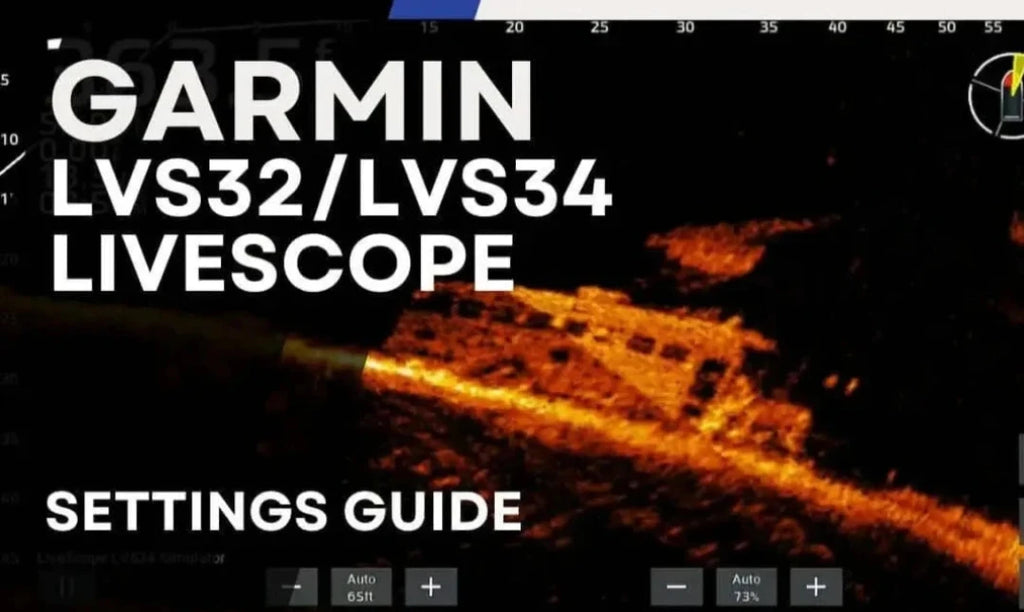
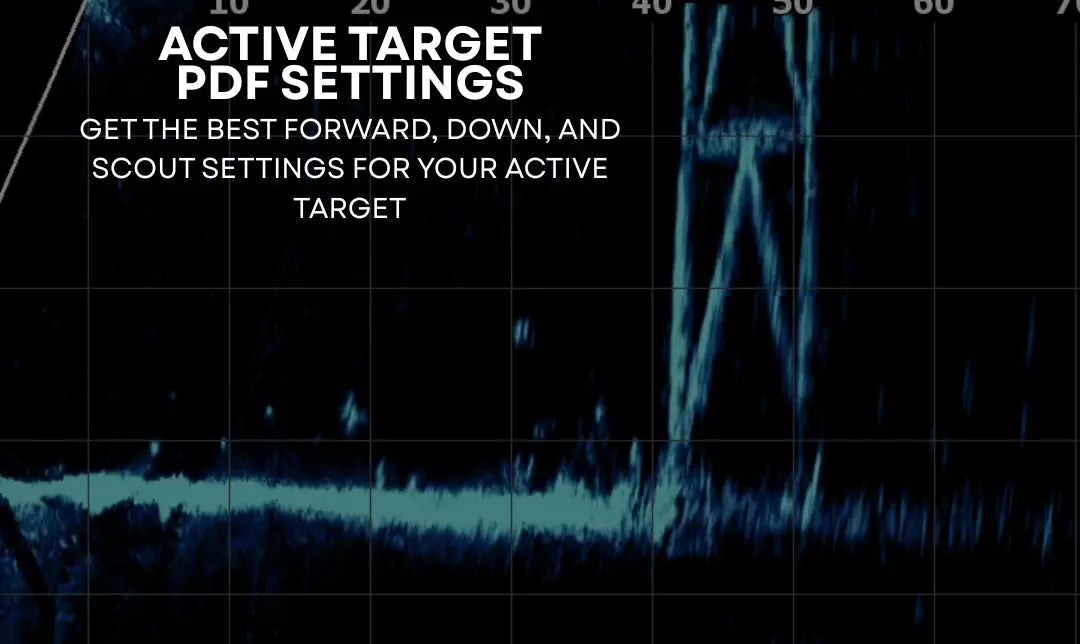
Starting point (works on most systems)
- Range: 50–70 ft (don’t overreach)
- Gain/Sensitivity: Just below clutter
- Color palette: High contrast (amber, moss, or blue)
- Noise reject: Low
- TVG: Off or Low
Validation: If bait and fish disappear when turning gain down slightly, it’s too low.
Step 3: Learn to Identify Bass vs Bait
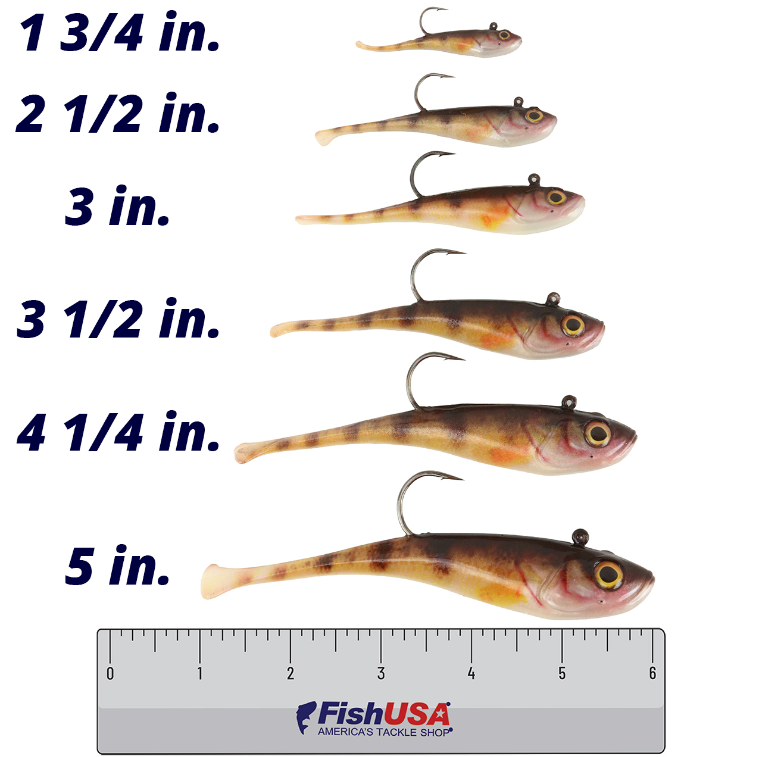
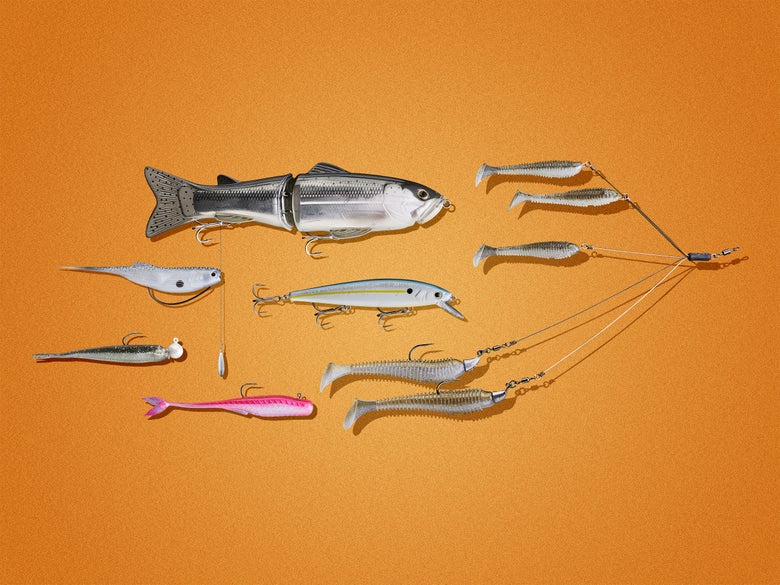

What bass look like
- Solid, bright oval or streak
- Moves independently
- Changes direction to inspect your lure
What bait looks like
- Cloud or fuzz ball
- Constant movement
- No reaction to lure
Step 4: Watch Your Lure (This Is the Skill Gap)

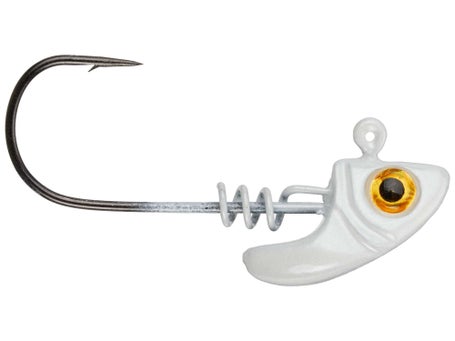
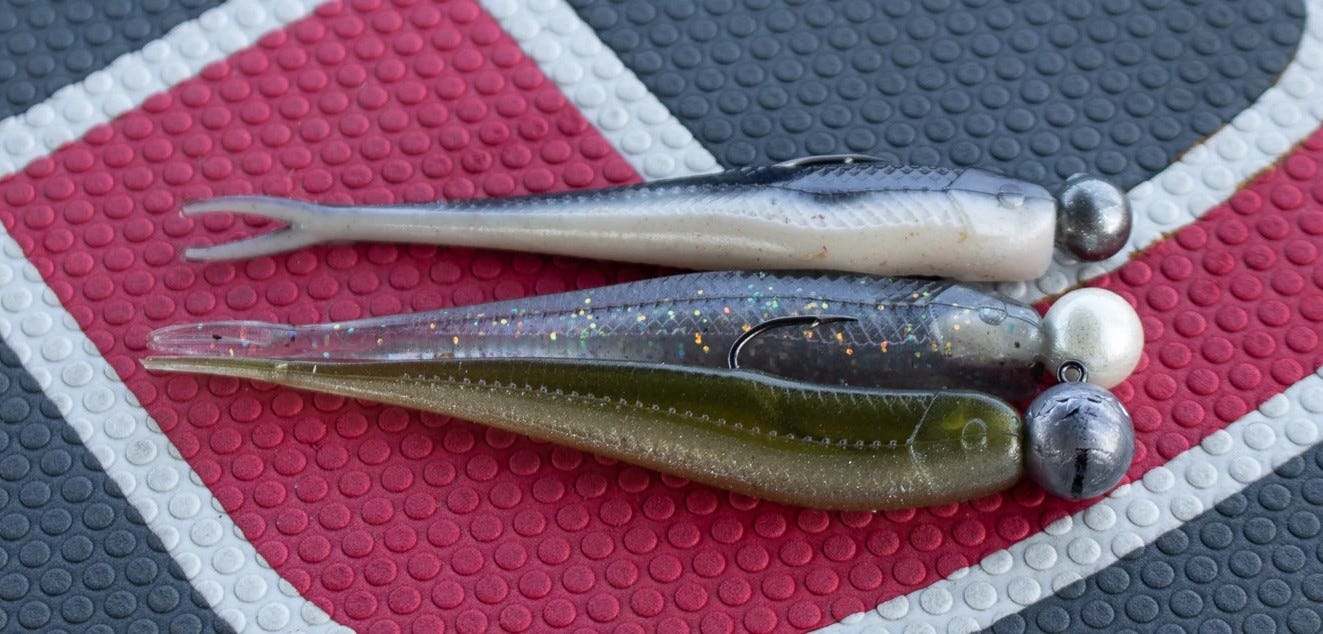
How to see your bait clearly
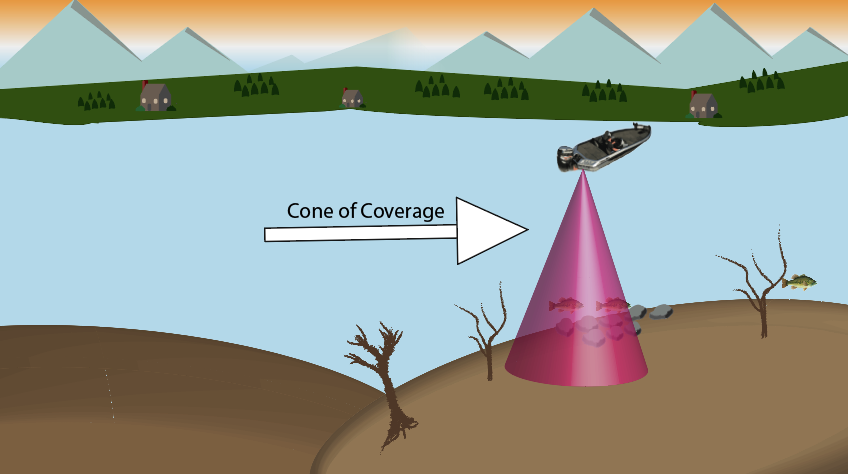
- Keep lure inside sonar cone
- Drop bait slowly
- Slight rod shakes help it “light up”
If you can’t see your lure, you’re fishing blind.
Step 5: Make Fish React (Not Just Watch)
Proven FFS presentations
- Hover-strolling
- Damiki rig
- Vertical jigging spoon
- Finesse swimbait
Reaction triggers
- Pull bait past fish (don’t drop on their head)
- Kill the bait when fish turns
- Speed up when fish loses interest
If a bass follows but won’t eat, change speed—not lure first.
Step 6: Boat Control = Catch Rate

- Use Spot-Lock sparingly (it can spook shallow fish)
- Wind at your back helps keep cone stable
- Small trolling motor movements = better tracking
Step 7: Common Beginner Mistakes (Avoid These)
- ❌ Scanning 120+ ft (too much clutter)
- ❌ Chasing every dot
- ❌ Ignoring depth consistency
- ❌ Over-tuning settings instead of fishing
Practice Drill (Do This on Your Next Trip)
- Find suspended bait
- Identify one isolated fish
- Track it for 30 seconds
- Present bait from the side
- Watch reaction before setting hook
Final Truth About FFS
FFS doesn’t replace fundamentals—it amplifies them:
- Good anglers catch more
- Poor decisions are exposed instantly
If you want, next I can:
- Break this down by season
- Teach FFS for shallow vs deep water
- Explain tournament-winning FFS patterns
Just tell me which direction you want to go.